Faculty In-Service and Professional Development Speaker
Dr. Sameer Hinduja works with teachers, counselors, and administrators on what artificial intelligence and online safety mean for their classrooms, their policies, and the students in front of them.
The Research Behind the Training
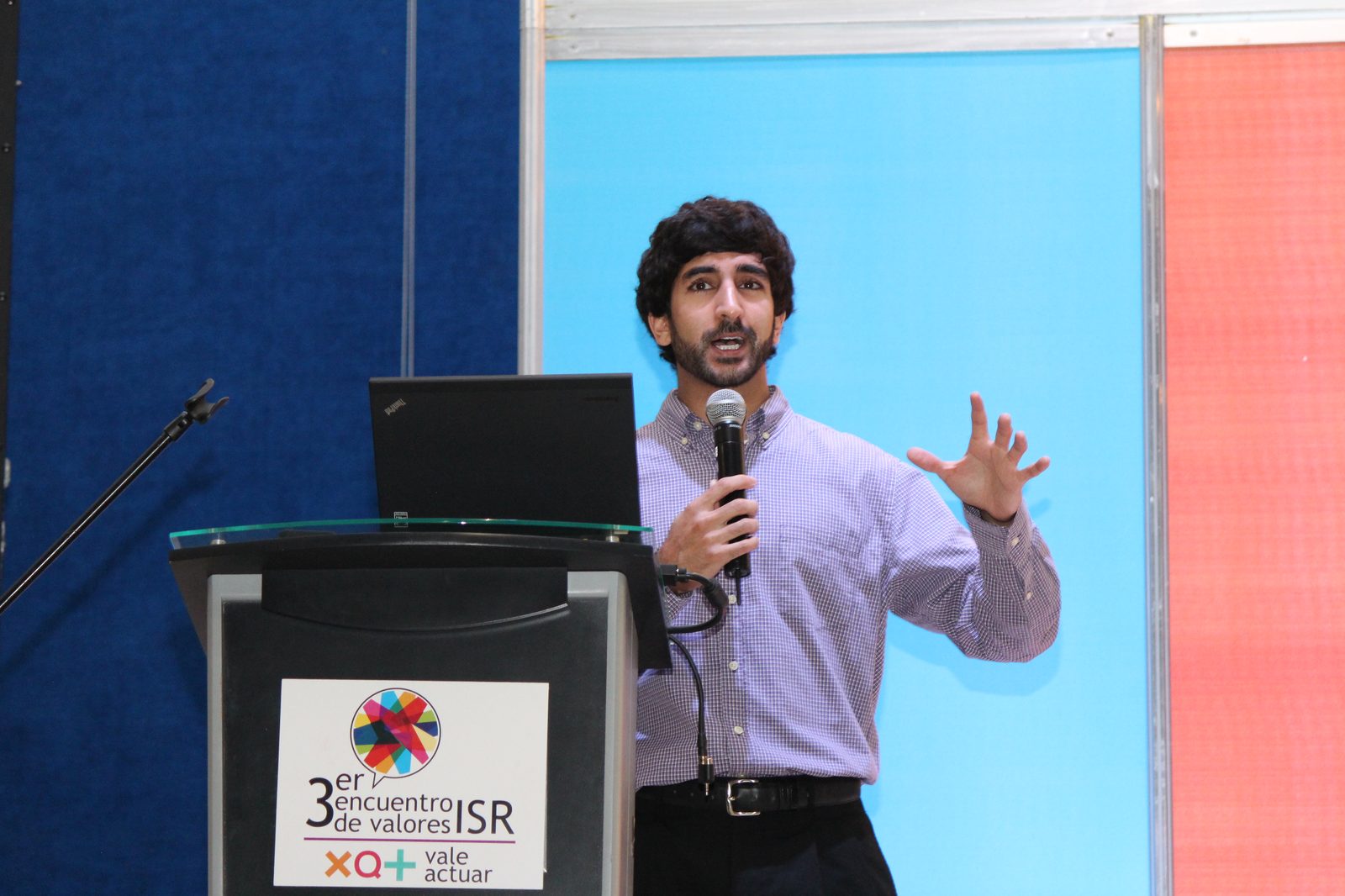
Sameer Hinduja, Ph.D. is a professional development speaker for school faculty, a Professor of Criminology and Criminal Justice at Florida Atlantic University, and Co-Director of the Cyberbullying Research Center. He leads in-service days and staff training for public, independent, private, and faith-based schools. His research has been cited approximately 30,000 times.
Staff training on these topics usually arrives in one of two unsatisfying forms. Either it is an awareness session that tells teachers things they already suspected and gives them nothing to do differently on Monday, or it is a compliance briefing that covers legal obligation and stops there.
What faculty actually need sits between those. They need to know what the current tools and behaviors are, because the vocabulary changes every year. They need language for the policies they are being asked to enforce. And they need to know what to do in the first hour after a student tells them something, because that hour determines most of what follows.
Dr. Hinduja advises technology companies on youth safety, so the training also covers what a school can and cannot expect from a platform, what reporting actually accomplishes, how long removal takes, and where the limits sit.
What the Sessions Cover
An in-service day is assembled from the areas a school selects. Common components include the following.
- Generative AI in the classroom, meaning what students are using, what these systems do well, and where they fail confidently
- Academic integrity, including what detection tools actually measure, why false accusations carry real cost, and how assessment design responds
- Deepfakes and AI-generated images of students, covering the first hour of response, evidence preservation, and who must be notified
- Cyberbullying recognition and response, including the forms adults consistently miss and the legal precedent on off-campus speech
- Policy and handbook language, reviewed against what is enforceable and what courts have addressed
- Recognizing a student in trouble, including digital self-harm, a behavior Dr. Hinduja was among the first to document
- What to do when a student discloses, and how mandatory reporting obligations apply to online harm
- Working with platforms, meaning what to report, how reporting functions, and what it will and will not achieve
Companies I've Worked With





















































Featured On

























Most Requested Sessions
Youth, Generative AI, and Social Chatbots: What We’re Learning, and What Comes Next
The faculty version concentrates on classroom reality, meaning how students are using these tools, what teachers are seeing in submitted work, how AI companion apps affect the students who use them heavily, and what belongs in a school AI policy.
Staff leave this session able to:
- Explain what generative AI actually does, and where it produces confident answers that are wrong
- Describe how students are really using these tools, and how AI companion apps affect the students who lean on them
- Recognize deepfakes and AI-generated images of students, and know what to do in the first hour
- Talk with students about the benefits and the drawbacks of these tools rather than only the risks
- Contribute usefully to a school AI policy conversation
Youth and Tech, Promoting Positive Use While Preventing Abuse
His most requested training for educators and youth-serving professionals covers the current environments students are in, what the research says about prevalence, recognition and response, the legal principles governing off-campus incidents, and the school climate work that prevents harm before it starts.
Staff leave able to:
- Describe accurately what generative AI does, so that classroom conversations start from fact
- Respond in the first hour after an incident involving images, harassment, or exploitation
- Apply and, where needed, revise policy language that will hold up when it is tested
- Recognize the warning signs that precede most serious incidents, including digital self-harm
- Handle a student disclosure without escalating harm or breaching obligation
- Set expectations about AI use that students understand and staff can enforce consistently
- Take away practical strategies and classroom resources they can use the following week
How the Sessions Work
Sessions are tailored to the audience and the concerns of the specific community, and are available in person or online. Faculty sessions range from a single in-service block to a half day, depending on how many areas a school wants covered and how much time is set aside for the school’s own cases and policy questions. That discussion portion is usually where staff get the most value, so it is worth protecting on the agenda. Every session ends with practical strategies and resources staff can put to use immediately, along with classroom activities Dr. Hinduja created and gives away at no cost.
Many schools schedule the in-service alongside a student assembly and a parent evening, so the entire community works from the same information. Schools looking specifically at curriculum and instruction should see the AI literacy page.
What Hosts Say
“Dr. Hinduja came to speak to our clinicians, mental health professionals, and other professional MDT partners, and he delivered one of the most relevant and practically grounded trainings our team has experienced. He brought the full landscape of digital harm to life - from harassment and deepfakes to AI-driven risks - and left us with real, evidence-based tools we could put to use immediately.”
Wendy Berkey, JD, Clinic Administrator, Blank Children's STAR Center
“He was able to give our students a forum to share what they are experiencing and our staff with real world information they can put in to practice right away. His up-to-date information and down to earth approach with both students and staff were greatly appreciated.”
Sabrina Lindsay, Social Studies Supervisor, Cumberland Valley School District, PA
“He combines detailed research and captivating videos with practical applications for schools. After hearing him speak, I return armed with wonderful resources and an action plan for our district.”
Carol Bartolac, District Coordinating Teacher for Technology, Blue Valley School District, Overland Park, KS
“In my thirty-six years as an educator, one of my most extraordinary professional experiences has been having Sameer come to our district. The strategies he shares are relevant and easily implemented.”
Geraldine Johnson, Bullying Prevention Coordinator, Cumberland Valley School District, PA
“Dr. Hinduja provided an enlightening and engaging keynote address. He is extremely knowledgeable and uses humor to deliver his message on this very serious topic. I highly recommend him.”
Charles J. Buckler, Director, Student Services, Maryland State Department of Education
Common Questions
Who is a good professional development speaker on AI and online safety for teachers?
For an in-service day, look for someone who works with schools often enough to know what staff are already dealing with, and who leaves the school with material it can use after the day ends. Sameer Hinduja presents faculty in-service and professional development sessions on artificial intelligence, academic integrity, cyberbullying, and student well-being, and the sessions are written for staff who are not technical.
What does an AI professional development day for teachers cover?
A faculty in-service from Dr. Sameer Hinduja covers what generative AI actually does and where it fails, how students are using these tools, academic integrity and what detection software really measures, deepfakes and AI-generated images of students, AI companion apps and the students who rely on them, policy and handbook language, and how staff should respond in the first hour after an incident or disclosure.
Does the session help us write or update policy?
Yes. Policy language is one of the most requested components. Sessions review handbook and acceptable use language against what is enforceable and what courts have addressed, particularly around off-campus online speech, image-based incidents, and student AI use. Schools generally get more out of this when they send current policy language ahead of the session.
Does it address academic integrity and AI use by students?
Yes. The session covers what AI detection tools actually measure and why their error rates matter, the real cost of a false accusation to a student, how assessment design can respond, and what a workable school AI policy contains. Schools whose primary interest is classroom AI instruction rather than risk and response should say so when they reach out.
Is the session appropriate for staff who are not technical?
Yes. Everything is explained in plain language without assuming technical background. The audience is teachers, counselors, and administrators, not technology staff, and the material is built for people who have to apply it in a classroom or an office rather than configure it.
Does it cover what staff must do when a student discloses?
Yes, and this is often the portion faculty rate highest. It covers the first hour after a disclosure, what to preserve and what not to touch, who must be notified, how mandatory reporting obligations apply to online harm, and how to respond in a way that does not deter the next student from coming forward.
Can staff development happen on the same visit as a student assembly?
Yes. Many schools schedule faculty in-service, a student assembly, and a parent evening together so that the whole community hears consistent material. Each version is prepared separately for its audience rather than repeated.
Background
per Stanford University and Elsevier
Dr. Hinduja is a Professor in the School of Criminology and Criminal Justice at Florida Atlantic University and a Faculty Associate at the Berkman Klein Center for Internet & Society at Harvard University. He co-founded the Cyberbullying Research Center, has published eight books, and is Co-Founder and Co-Editor-in-Chief of the International Journal of Bullying Prevention. He has testified before the U.S. Attorney General and federal departments and advised the White House across two administrations on youth online safety. You can read his full biography at hinduja.org.
Any questions? Reach out!
Contact Dr. Hinduja